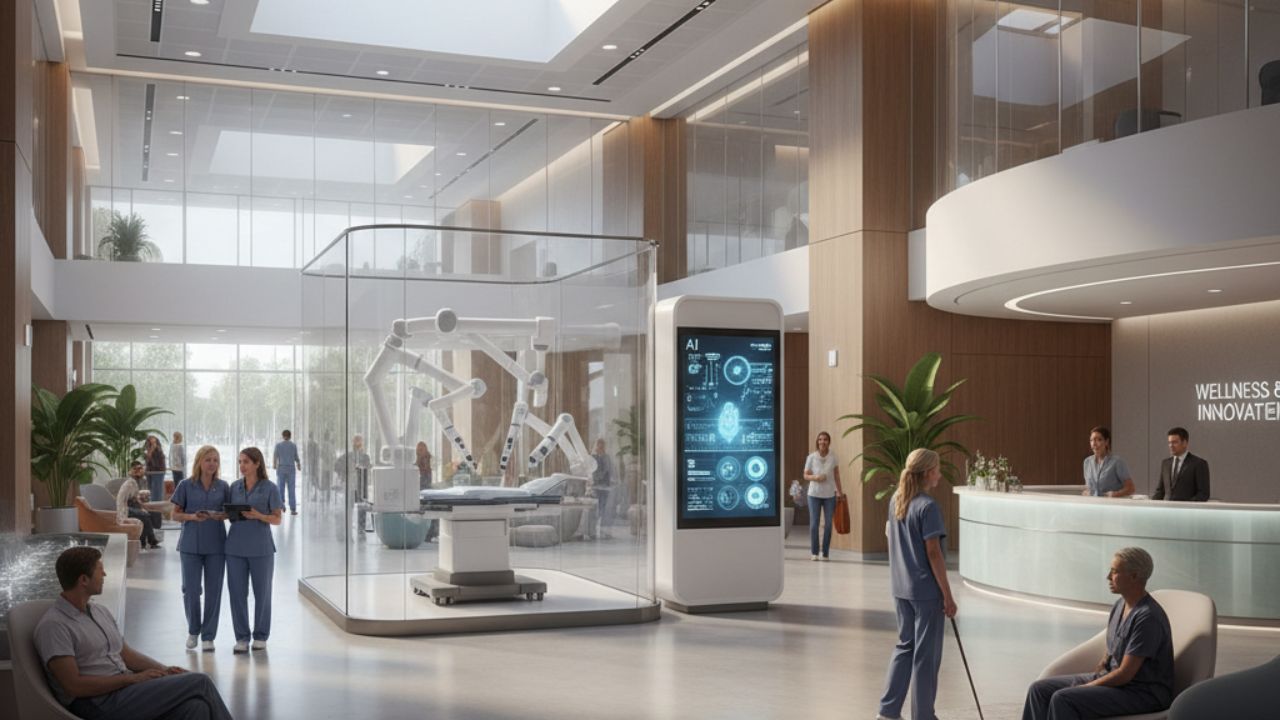
Access to quality healthcare is a fundamental priority for individuals and families across the country. When medical emergencies arise or complex diagnoses occur, knowing where to find the best care can make all the difference. The United States is home to some of the most advanced medical facilities on the globe, providing patients with innovative treatments and exceptional support.
Private hospitals play a significant role in the US healthcare system. Unlike public hospitals funded by local or federal governments, private hospitals are funded through private entities, including non-profit organizations and for-profit corporations. This financial structure often allows them to invest heavily in the latest medical technology, attract top-tier medical professionals, and maintain highly specialized research centers.
These institutions continuously push the boundaries of what is possible in modern medicine. By focusing on the top private hospitals in the USA offering world-class healthcare services, this guide will help you understand where medical excellence thrives. You will learn about the unique specialties, technological advancements, and patient-focused care that define these premier institutions.
Understanding World-Class Healthcare
The term “world-class” is frequently used, but it carries a very specific weight in the medical field. A world-class hospital consistently achieves superior patient outcomes. This includes high survival rates for complex procedures, low rates of hospital-acquired infections, and rapid recovery times. Furthermore, these facilities are often at the forefront of medical research, conducting clinical trials that shape the future of medicine.
Technology is another defining factor. World-class institutions utilize cutting-edge equipment, from robotic surgical systems to advanced genomic sequencing labs. Patient experience also matters immensely. Exceptional hospitals prioritize clear communication, compassionate care, and comfortable environments that promote healing.
Private hospitals often offer distinct benefits that contribute to this high level of care. Patients typically experience shorter wait times for elective procedures and specialized consultations. Additionally, these facilities frequently provide enhanced amenities and a high staff-to-patient ratio, ensuring that individuals receive attentive and personalized medical support throughout their stay.
Selection Methodology
Identifying the top private hospitals requires a comprehensive look at various performance indicators. Our selection is based on several rigorous criteria that reflect overall institutional excellence.
First, we reviewed national and global rankings, particularly the annual reports published by organizations like U.S. News & World Report. These rankings analyze data regarding patient survival, nurse staffing, and medical technologies. We also considered patient reviews and satisfaction scores to gauge the day-to-day reality of the care provided.
Accreditations from respected bodies, such as The Joint Commission, served as a baseline requirement for safety and quality. Finally, we looked at each hospital’s specializations and technological advancements to ensure they offer truly innovative services.
In-depth Profiles of Top Private Hospitals
The following institutions operate as private, non-profit entities and are widely recognized for their extraordinary contributions to medicine and patient care.
Mayo Clinic
Located in Rochester, Minnesota, the Mayo Clinic is globally recognized as a premier destination for medical care. Founded in 1889, its core mission is to inspire hope and contribute to health and well-being by providing the best care to every patient through integrated clinical practice, education, and research.
The Mayo Clinic excels across numerous specialties, including oncology, neurology, and endocrinology. It operates as a massive center of excellence where multidisciplinary teams collaborate on complex cases.
One of its unique features is its highly integrated approach to patient care. A patient visiting for a complex diagnostic workup might see multiple specialists in a single day, with all doctors coordinating seamlessly. The hospital also utilizes advanced AI for early disease detection and runs extensive personalized medicine initiatives. Patients consistently report profound gratitude for the clinic’s thoroughness and the compassionate, unhurried nature of the consultations.
Cleveland Clinic
The Cleveland Clinic, based in Cleveland, Ohio, has established itself as an absolute powerhouse in cardiovascular care. Since its founding in 1921, it has operated under the principle of “Patient First.”
While it offers outstanding care across all major medical disciplines, the Cleveland Clinic is most famous for its Sydell and Arnold Miller Family Heart, Vascular & Thoracic Institute. It has been ranked as the number one hospital for cardiology and heart surgery in the United States for decades.
The clinic is known for pioneering numerous medical breakthroughs, including the first successful coronary artery bypass surgery. Today, it utilizes state-of-the-art robotic surgery systems and maintains a massive biorepository to advance genetic research. The Cleveland Clinic has received countless awards for clinical excellence and nursing quality, cementing its status as a global leader.
Johns Hopkins Hospital
Situated in Baltimore, Maryland, Johns Hopkins Hospital revolutionized medical education and practice in the United States. It functions as the teaching hospital and biomedical research facility of the Johns Hopkins School of Medicine.
Johns Hopkins is deeply respected for its centers of excellence in psychiatry, rheumatology, and ophthalmology. The Sidney Kimmel Comprehensive Cancer Center is particularly renowned for its groundbreaking research and development of targeted therapies.
The hospital’s unique strength lies in its seamless integration of research and clinical practice. Patients often have access to experimental treatments and clinical trials that are not available anywhere else. Testimonials frequently highlight the brilliance of the medical staff and the hope they provide to patients facing rare or highly complex diseases.
Massachusetts General Hospital
Massachusetts General Hospital (MGH), located in Boston, is the original and largest teaching hospital of Harvard Medical School. Established in 1811, it is the third-oldest general hospital in the United States.
MGH is celebrated for its expertise in psychiatry, diabetes and endocrinology, and ear, nose, and throat care. It also houses the largest hospital-based research program in the United States.
The hospital features unique technological implementations, such as the Francis H. Burr Proton Therapy Center, which delivers highly precise radiation treatment for cancerous tumors. MGH also leads significant research initiatives in neurobiology and genetics. The institution has been recognized repeatedly by the American Nurses Credentialing Center with Magnet designation, the highest honor for nursing excellence.
Cedars-Sinai Medical Center
Cedars-Sinai Medical Center is a massive multi-specialty academic health science center in Los Angeles, California. It has grown to become one of the most prominent healthcare facilities on the West Coast.
The hospital is highly regarded for its specialties in gastroenterology, orthopedics, and pulmonology. The Smidt Heart Institute at Cedars-Sinai is a leader in heart transplant procedures and minimally invasive valve replacements.
Cedars-Sinai embraces technological innovation, heavily utilizing virtual reality for pain management and robotic systems for intricate spinal surgeries. Patient success stories often focus on the facility’s luxurious amenities paired with incredibly sharp clinical acumen. The hospital frequently receives accolades for its outstanding patient safety records and commitment to diversity in clinical trials.
Key Trends and Innovations in Private Healthcare
The landscape of private healthcare is constantly shifting, driven by technological breakthroughs and changing patient expectations. Several key trends are currently defining the future of these institutions.
Telemedicine and virtual care have expanded exponentially. Top private hospitals now offer robust digital health platforms, allowing patients to consult with world-renowned specialists from the comfort of their homes. This increases access to care and streamlines follow-up appointments.
Personalized medicine and genetic therapies are replacing the traditional one-size-fits-all approach to treatment. Doctors now use a patient’s genetic profile to tailor medical interventions, particularly in oncology and pharmacology. This precise targeting increases the efficacy of treatments while reducing adverse side effects.
Artificial intelligence and big data are transforming diagnostics. AI algorithms analyze medical images, pathology slides, and vast amounts of patient data to identify anomalies that the human eye might miss. This technology helps doctors diagnose conditions earlier and with greater accuracy.
Finally, there is a renewed focus on patient-centric care and holistic well-being. Hospitals are increasingly integrating nutritional counseling, mental health support, and integrative medicine into their standard treatment plans.
Navigating Your Healthcare Choices
Selecting a hospital for significant medical treatment is a major decision. Keeping a few practical tips in mind can help you make an informed choice.
Start by researching hospitals that specialize in your specific condition. A hospital might be excellent overall but lack a dedicated center for a rare disorder. Look for facilities with high case volumes for your specific procedure, as practice typically leads to better outcomes.
Understanding insurance and payment options is critical. Top private hospitals can be expensive. Verify that the institution is in-network with your health insurance provider to avoid massive out-of-pocket costs. If the hospital is out-of-network, speak with their financial counseling office to understand the estimated costs and explore potential payment plans or financial assistance programs.
Do not underestimate the importance of second opinions. The best doctors encourage their patients to seek additional perspectives. Obtaining a second opinion from a specialist at a top private hospital can confirm a diagnosis, offer alternative treatment options, and provide you with peace of mind before moving forward with a major medical procedure.
Securing Your Health at Premier Institutions
Access to world-class healthcare is a vital component of a long and healthy life. The top private hospitals in the USA offer unparalleled expertise, cutting-edge technology, and a commitment to advancing the boundaries of medicine.
Institutions like the Mayo Clinic, Cleveland Clinic, Johns Hopkins, Massachusetts General, and Cedars-Sinai represent the pinnacle of medical care. By heavily investing in research and prioritizing the patient experience, these hospitals achieve extraordinary outcomes for individuals facing complex medical challenges.
As medical technology continues to evolve, these private institutions will undoubtedly remain at the forefront of healthcare innovation. By understanding your options and advocating for your own health, you can confidently navigate the medical system and access the highest quality care available.