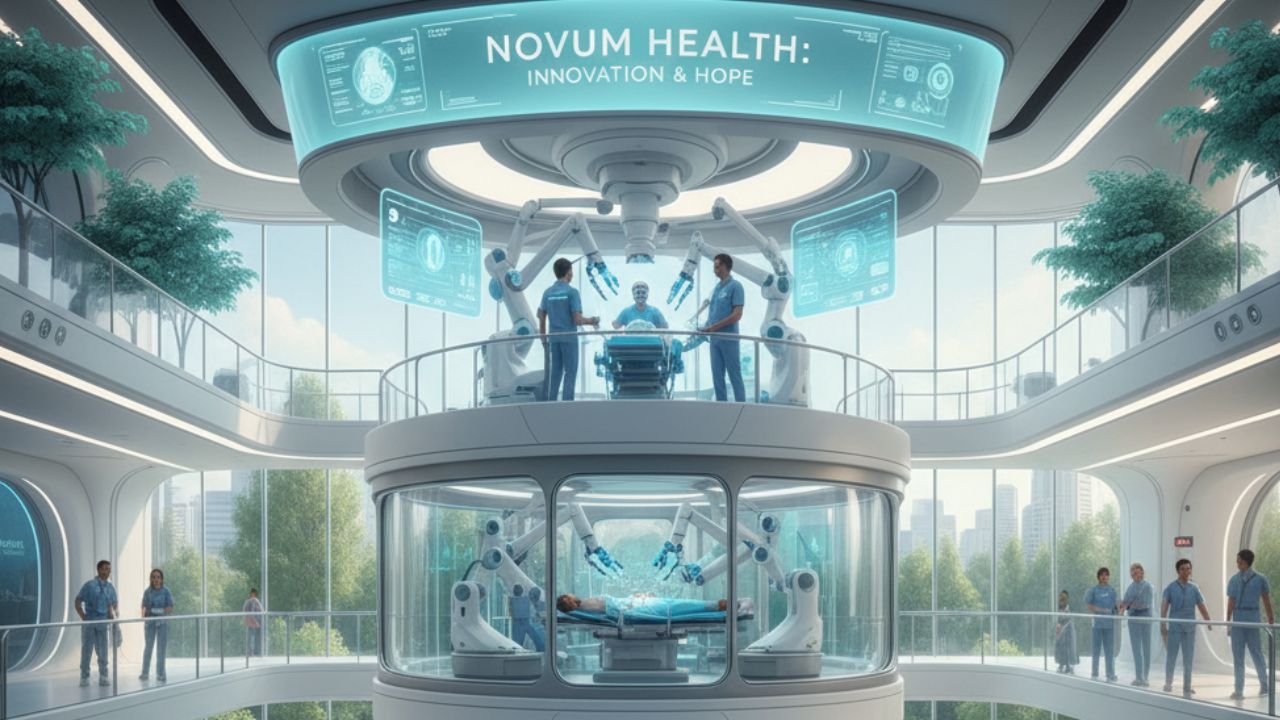
When facing a serious diagnosis like cancer or preparing for complex surgery, choosing the right hospital can make all the difference. The United States is home to some of the most advanced medical institutions in the world, offering cutting-edge technology, world-renowned specialists, and comprehensive patient care programs.
But not all hospitals are created equal. Some excel in surgical innovation, while others lead in cancer research or personalized treatment approaches. Understanding what sets these institutions apart—and how they align with your specific needs—is essential to making an informed decision.
This guide profiles the top private hospitals in the USA known for excellence in cancer treatment and advanced surgery. We’ll explore what makes each facility unique, the technologies they employ, and the patient experiences they prioritize. Whether you’re seeking a second opinion, exploring treatment options, or planning a procedure, this overview will help you navigate your choices with confidence.
What Makes a Hospital Stand Out?
Before diving into individual institutions, it’s helpful to understand the criteria that distinguish leading hospitals from the rest. These factors form the foundation of quality care and successful outcomes.
Advanced Technology: Top hospitals invest heavily in the latest medical equipment, from robotic surgical systems to proton beam therapy machines. These tools enable more precise, less invasive procedures with faster recovery times.
Surgical Expertise: The skill and experience of surgical teams directly impact patient outcomes. Leading institutions attract top surgeons who specialize in complex procedures and stay at the forefront of their fields through continuous training and research.
Patient Outcomes: Survival rates, complication rates, and long-term quality of life metrics provide concrete evidence of a hospital’s effectiveness. The best hospitals transparently share this data and consistently outperform national averages.
Multidisciplinary Care: Cancer treatment and complex surgery often require collaboration across specialties. Hospitals that foster teamwork among oncologists, surgeons, radiologists, and support staff deliver more coordinated, comprehensive care.
Research and Innovation: Institutions engaged in clinical trials and medical research offer patients access to breakthrough treatments before they become widely available.
Mayo Clinic: Setting the Standard for Surgical Excellence
Mayo Clinic, with campuses in Minnesota, Arizona, and Florida, has earned its reputation as one of the world’s premier medical institutions. Its integrated approach to patient care combines expertise across specialties with a patient-first philosophy that has remained consistent for over a century.
The clinic’s surgical departments are particularly distinguished. Mayo Clinic surgeons perform more than 70,000 operations annually, including some of the most complex procedures available. Their expertise spans organ transplantation, neurosurgery, cardiovascular surgery, and orthopedic procedures.
What truly sets Mayo Clinic apart is its collaborative model. Every patient benefits from what the clinic calls “team-based care,” where multiple specialists review cases together and develop coordinated treatment plans. This approach minimizes errors, reduces unnecessary procedures, and ensures patients receive comprehensive, personalized attention.
For cancer patients, Mayo Clinic offers access to advanced diagnostic tools, including molecular tumor profiling and genomic testing. These technologies help physicians tailor treatments to each patient’s specific cancer type, improving outcomes and reducing side effects.
The clinic also excels in patient experience. Private rooms, concierge services, and dedicated international patient coordinators make the treatment journey as smooth as possible, particularly for those traveling from abroad.
Memorial Sloan Kettering Cancer Center: Pioneering Cancer Research
Located in New York City, Memorial Sloan Kettering Cancer Center (MSK) is exclusively dedicated to cancer care. This singular focus has allowed the institution to become a global leader in cancer research and treatment innovation.
MSK physicians and scientists conduct more than 400 clinical trials annually, giving patients access to experimental therapies and novel treatment combinations not available elsewhere. The center’s research has led to numerous breakthroughs, including the development of targeted cancer drugs and immunotherapy protocols now used worldwide.
The surgical oncology program at MSK is particularly noteworthy. Surgeons here perform thousands of cancer-related operations each year, developing specialized techniques that minimize tissue damage and preserve organ function. For example, MSK pioneered breast-conserving surgery and continues to refine approaches that prioritize both cancer removal and cosmetic outcomes.
Beyond surgical expertise, MSK offers comprehensive support services. Patients have access to integrative medicine programs, including acupuncture, massage therapy, and nutritional counseling. These complementary treatments help manage side effects and improve overall well-being during cancer treatment.
The center also maintains one of the largest tumor banks in the world, preserving tissue samples that fuel ongoing research. This commitment to advancing medical knowledge ensures that today’s treatments continually improve, benefiting future patients.
MD Anderson Cancer Center: Institutional Excellence in Multidisciplinary Care
The University of Texas MD Anderson Cancer Center in Houston consistently ranks among the top cancer hospitals in the nation. Its size and scope are impressive—more than 20,000 employees, including over 1,800 physicians, work together to serve patients from all 50 states and more than 100 countries.
MD Anderson’s strength lies in its multidisciplinary approach. Disease-specific centers bring together experts in surgery, radiation oncology, medical oncology, and other specialties to collaborate on each patient’s care. For example, the Breast Cancer Center includes surgeons, medical oncologists, radiation oncologists, plastic surgeons, and genetic counselors—all focused exclusively on breast cancer.
This structure ensures that treatment recommendations reflect the combined wisdom of multiple specialists rather than a single physician’s perspective. Patients benefit from more thorough evaluation and access to the full range of treatment options.
MD Anderson is also a leader in proton therapy, a type of radiation treatment that delivers precise doses to tumors while sparing surrounding healthy tissue. The center operates one of the largest proton therapy facilities in the world, treating various cancer types, including pediatric cancers, brain tumors, and prostate cancer.
Patient support extends beyond medical treatment. MD Anderson offers housing assistance, transportation services, and even an on-site hotel for patients and families traveling for care. These amenities reduce the stress of managing logistics during an already challenging time.
Cleveland Clinic: Advanced Surgical Techniques and Cardiac-Oncology Integration
Cleveland Clinic, based in Ohio with locations across the United States and internationally, has built a reputation for innovation in both cardiac care and cancer treatment. This dual expertise has led to pioneering work in cardio-oncology—the intersection of heart health and cancer care.
Many cancer treatments, particularly certain chemotherapy drugs, can affect heart function. Cleveland Clinic’s cardio-oncology program monitors patients’ cardiovascular health throughout cancer treatment, adjusting therapies as needed to protect the heart while effectively treating cancer. This integrated approach improves long-term outcomes for cancer survivors.
The clinic’s surgical program is equally impressive. Cleveland Clinic surgeons were among the first to adopt minimally invasive and robotic surgical techniques. These approaches use small incisions and specialized instruments to perform complex procedures with less pain, reduced scarring, and faster recovery times.
For cancer patients, Cleveland Clinic offers access to comprehensive treatment modalities, including sophisticated imaging technologies, radiation therapy options, and targeted drug therapies. The Taussig Cancer Institute coordinates all cancer-related services, ensuring seamless care from diagnosis through survivorship.
Cleveland Clinic also emphasizes patient education. Dedicated nurse navigators guide patients through their treatment journey, explaining procedures, coordinating appointments, and serving as a consistent point of contact. This support helps patients feel more informed and empowered throughout their care.
Johns Hopkins Hospital: Merging Academic Research with Private Patient Care
Johns Hopkins Hospital in Baltimore, Maryland, holds a unique position as both a leading academic medical center and a top destination for private patient care. This dual identity allows the hospital to combine groundbreaking research with highly personalized treatment approaches.
The hospital’s Sidney Kimmel Comprehensive Cancer Center is one of only 53 National Cancer Institute-designated comprehensive cancer centers in the United States. This designation recognizes institutions that meet rigorous standards for research excellence and patient care quality.
Johns Hopkins physicians are often the same researchers developing tomorrow’s treatments. This close connection between laboratory and bedside means patients can access innovative therapies years before they become standard practice. The hospital’s track record includes pioneering work in immunotherapy, genetic testing, and precision medicine.
Surgical innovation is another hallmark. Johns Hopkins surgeons have developed numerous techniques now used worldwide, including methods for minimally invasive cardiac surgery and advanced neurosurgical procedures. The hospital’s surgical residency program is consistently ranked first in the nation, attracting the brightest young physicians and maintaining a culture of excellence.
For international patients, Johns Hopkins offers comprehensive concierge services, including visa assistance, interpreter services, and help arranging accommodations. The hospital has built strong relationships with referring physicians worldwide, facilitating seamless transitions of care.
Emerging Technologies Shaping Modern Cancer Care
The hospitals profiled above share a commitment to adopting and advancing medical technologies that improve patient outcomes. Several innovations are transforming how cancer is diagnosed and treated.
Robotic Surgery: Robotic surgical systems like the da Vinci platform allow surgeons to perform complex procedures through tiny incisions with enhanced precision. Robotic arms translate the surgeon’s hand movements into smaller, more precise actions, enabling operations that would be impossible with traditional techniques. This technology is particularly valuable for prostate cancer surgery, gynecologic procedures, and operations in hard-to-reach areas.
Proton Therapy: Unlike conventional radiation, which passes through the body and can damage healthy tissue beyond the tumor, proton therapy stops at the tumor site. This precision makes it ideal for treating cancers near critical structures, such as brain tumors in children or tumors near the spinal cord.
Personalized Medicine: Advances in genetic testing now allow physicians to analyze tumors at the molecular level, identifying specific mutations driving cancer growth. This information guides treatment selection, directing patients toward therapies most likely to work for their specific cancer type. Some hospitals also offer genetic counseling to assess hereditary cancer risk and guide prevention strategies.
Artificial Intelligence: AI tools are increasingly used to analyze medical images, predict treatment responses, and identify patterns in patient data that might escape human notice. These technologies support physicians in making more accurate diagnoses and developing optimal treatment plans.
Immunotherapy: Harnessing the body’s immune system to fight cancer represents one of the most promising advances in oncology. Leading hospitals participate in clinical trials testing new immunotherapy drugs and combination approaches, offering patients access to treatments that may dramatically improve outcomes for previously difficult-to-treat cancers.
The Patient Experience: Beyond Medical Excellence
While medical expertise and technology are crucial, the overall patient experience matters significantly, especially when facing serious illness or complex treatment. Top hospitals recognize this and invest heavily in services that support patients and families throughout their journey.
Amenities and Comfort: Private rooms with comfortable accommodations for family members, high-quality food services, and pleasant environments contribute to healing and reduce stress. Some hospitals offer spa-like amenities, meditation spaces, and gardens where patients can find moments of peace.
Care Coordination: Nurse navigators and patient coordinators help manage appointments, answer questions, and ensure smooth communication between different specialists. This support is particularly valuable for patients dealing with multiple appointments and complex treatment plans.
Support Services: Counseling, support groups, financial advisors, and social workers address the emotional, psychological, and practical challenges that accompany serious illness. Many hospitals also offer integrative medicine services that complement conventional treatments.
International Patient Services: For patients traveling from other countries, top hospitals provide specialized assistance. Services typically include help with medical records translation, visa documentation, housing arrangements, interpreter services, and coordination with referring physicians abroad.
Transparent Communication: The best hospitals prioritize clear, honest communication. Physicians take time to explain diagnoses, discuss treatment options, and answer questions. Patients receive detailed information about expected outcomes, potential risks, and alternative approaches, empowering them to make informed decisions about their care.
Making the Right Choice for Your Needs
Selecting a hospital for cancer treatment or major surgery is deeply personal. The “best” institution depends on your specific diagnosis, treatment needs, insurance coverage, and personal preferences.
Start by consulting with your current physicians. They can provide referrals based on your medical situation and may have relationships with specialists at leading institutions. Consider seeking second opinions, particularly for complex diagnoses or when facing difficult treatment decisions.
Research hospitals’ specific expertise in your condition. Some institutions have particularly strong programs for certain cancer types or surgical procedures. Look for hospitals that publish their outcome data and participate in quality registries.
Practical considerations matter too. Will you need to travel? Can you stay near the hospital during treatment? Does the institution accept your insurance? Can you access clinical trials?
Finally, trust your instincts about the environment and culture. The hospital where you feel most comfortable and confident in your care team will likely provide the best overall experience.
Finding Your Path Forward
Advances in cancer treatment and surgical techniques continue to improve outcomes for patients facing serious diagnoses. The hospitals profiled here represent the forefront of medical innovation, combining technical expertise with compassionate, comprehensive care.
Your health journey is unique, and the right hospital is the one that meets your specific medical needs while aligning with your values and circumstances. Take time to research, ask questions, and seek multiple opinions. The effort invested in choosing the right institution can make a significant difference in your treatment experience and outcomes.
Remember that hope and healing extend beyond medical procedures. The best hospitals understand this and work to support not just your physical health, but your emotional well-being and quality of life throughout your journey.